
Sustainable Cannabis Farming on Salt Spring Island, BC
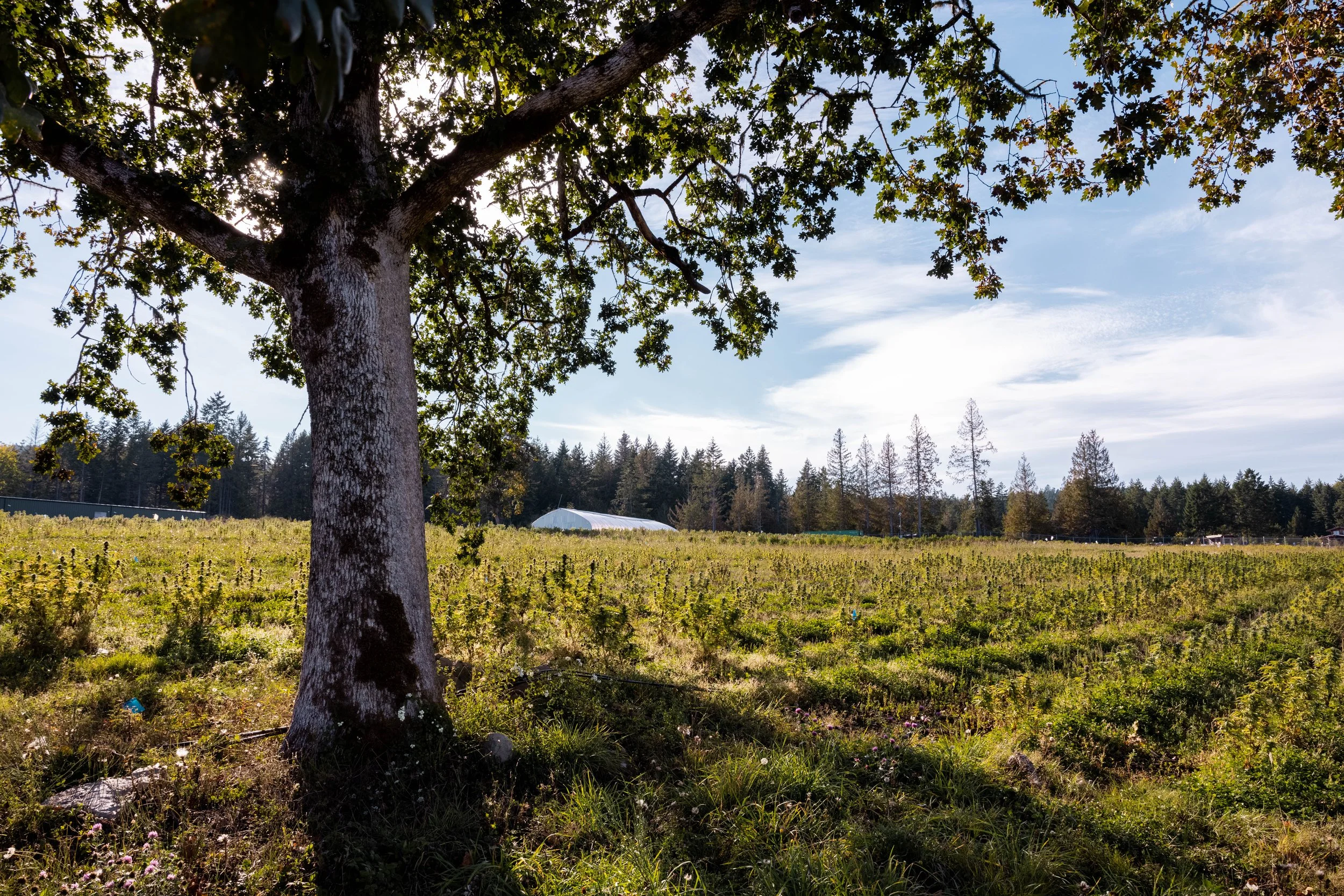
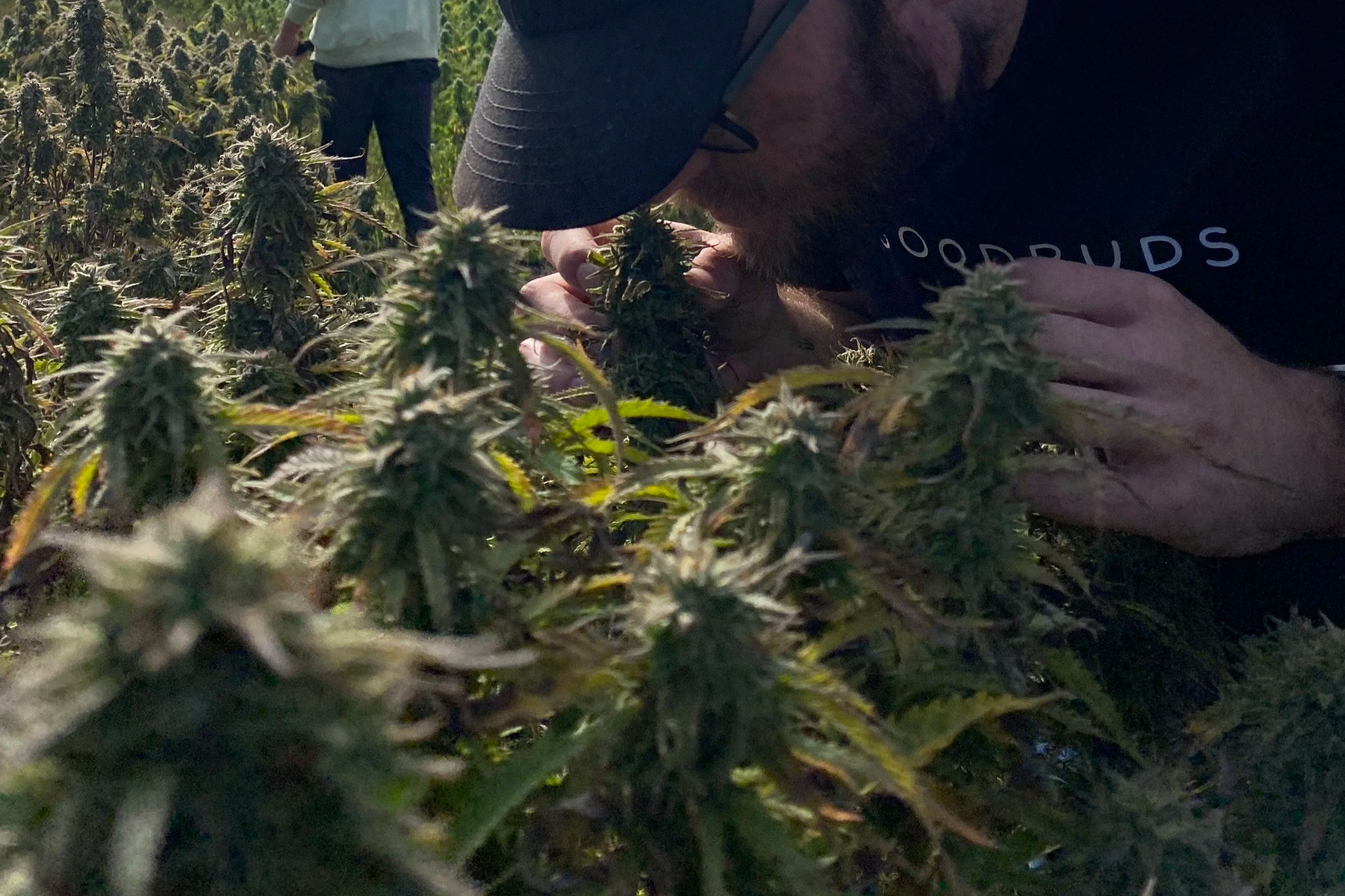
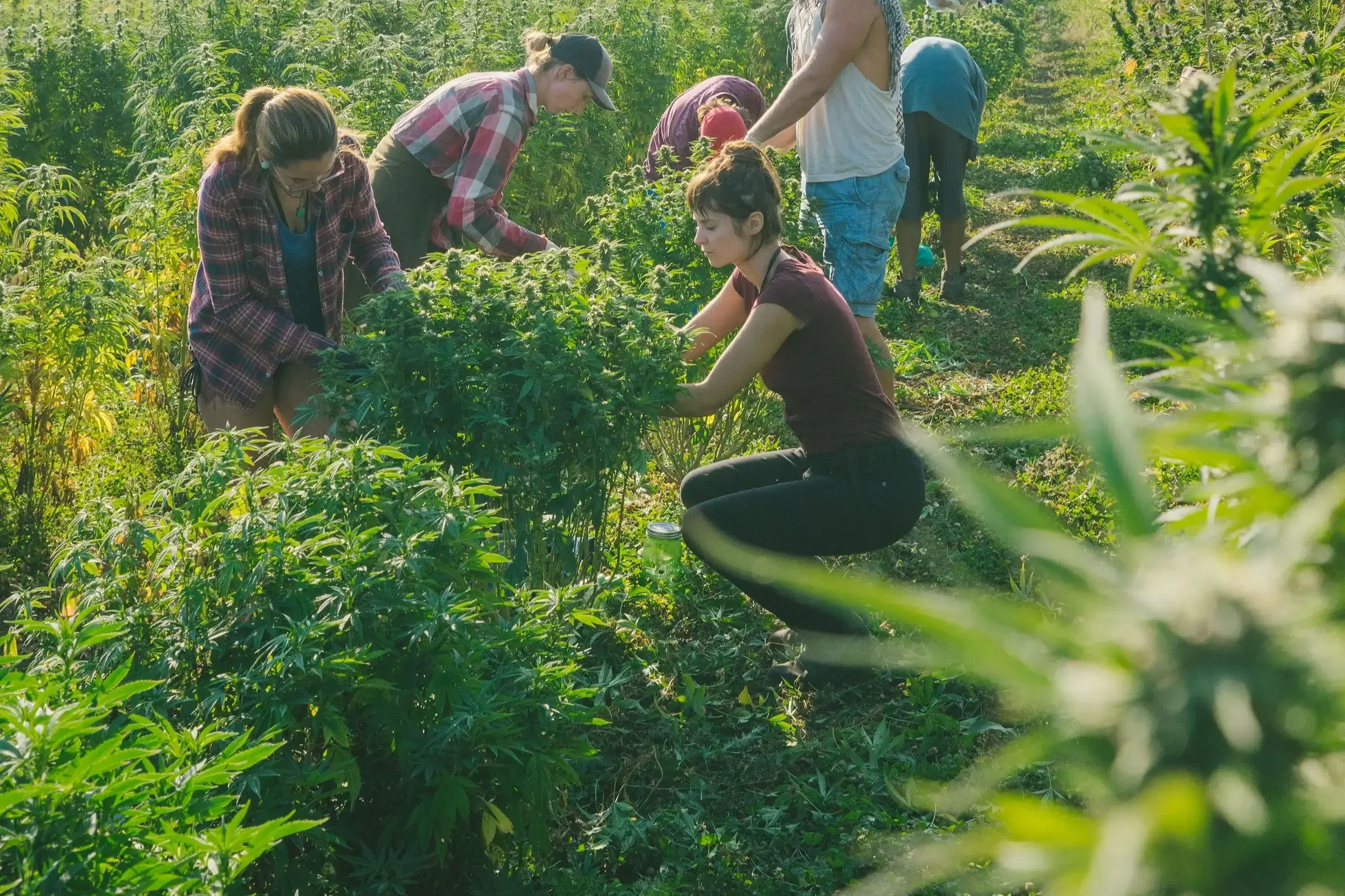
GOOD BUDS is a family-run, FVOPA Certified Organic cannabis farm on Salt Spring Island, BC, founded in 2017 by brothers Tyler and Alex Rumi. It is Canada's first licensed outdoor cannabis cultivator. The sun-grown crop is irrigated with rainwater collected from the farm's roofs, grown in living soil that is rebuilt and reused each season, and harvested once a year. GOOD BUDS flower, pre-rolls and vapes are sold through licensed retailers in BC, Alberta and Ontario.
Water
Rainwater is collected off the farm's roofs and stored on site, then used to irrigate the sun-grown crop through the season. Salt Spring Island's dry summers make this a planning discipline: the tanks fill in winter and have to last.
Read more: Rainwater at GOOD BUDS
Sunlight instead of grow lights
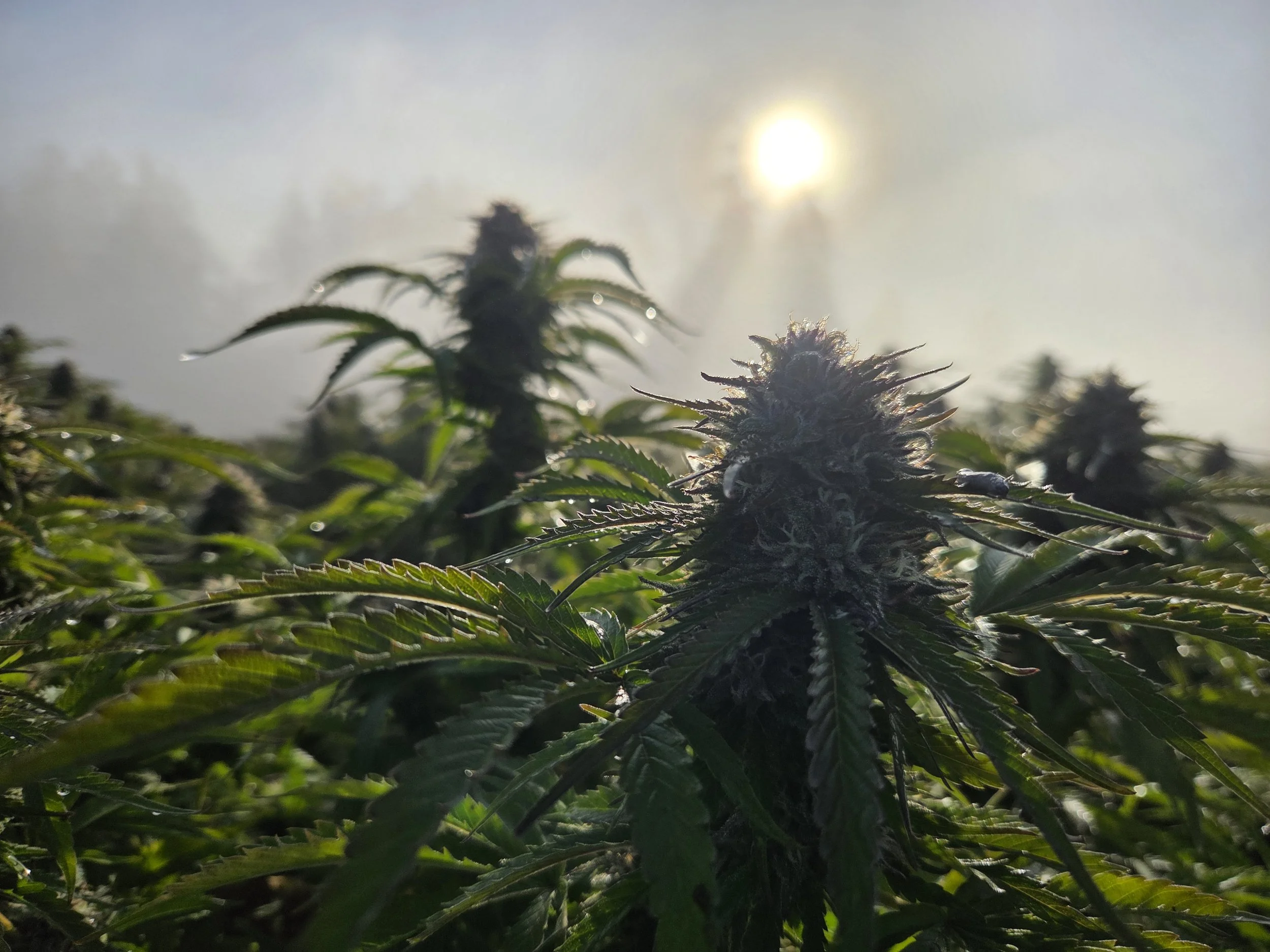
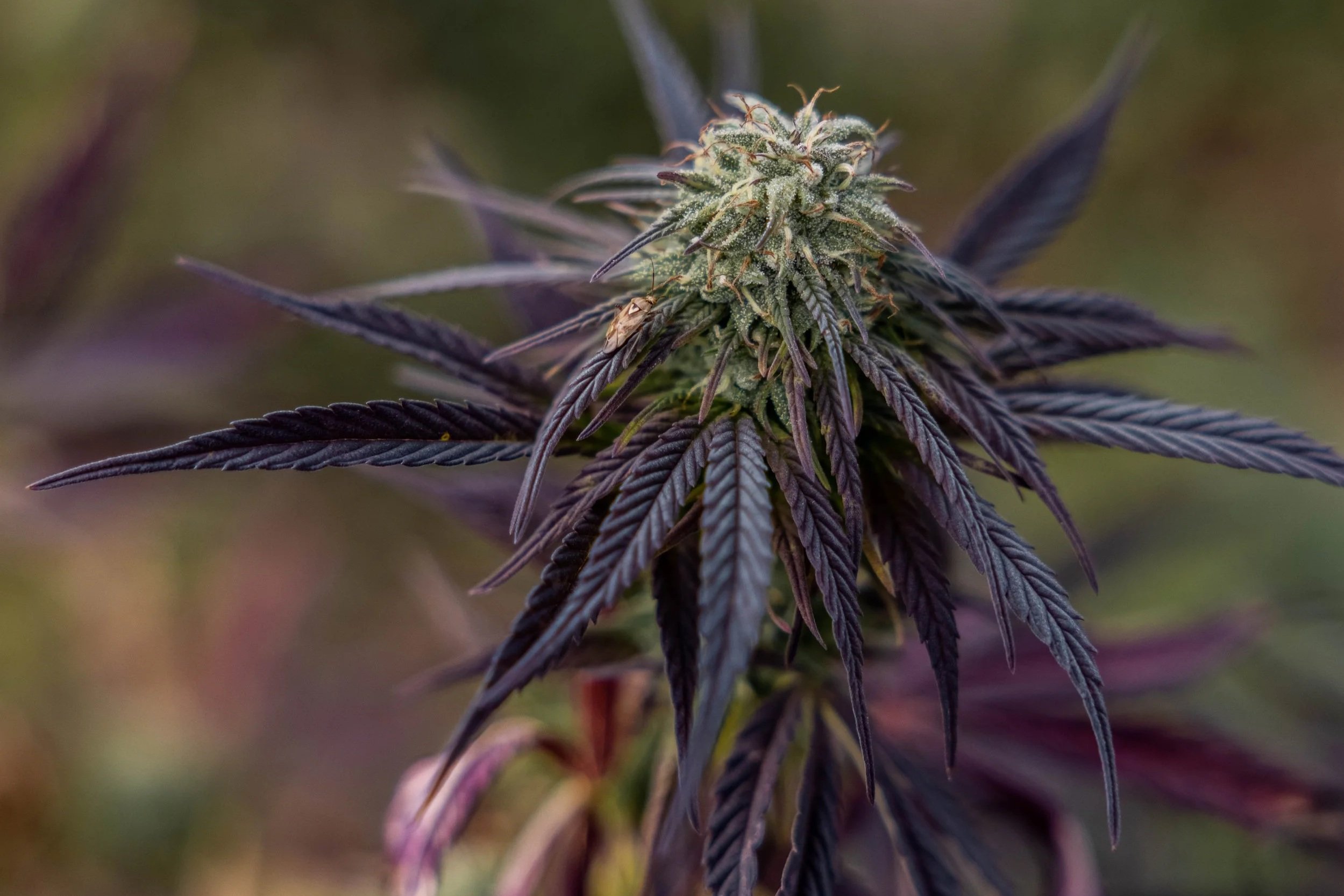
Gluerangutan and Timewarp grow in full sun with no grow lights, air conditioning or dehumidification. The crop follows the island's growing season rather than running year-round. Mango Cake, which is grown indoors year-round, runs on high-efficiency LEDs in reused living soil beds.
Read more: Indoor cannabis runs on lights and air conditioning. Ours runs on the sun.
Soil that is rebuilt, not replaced
Every bed is living soil. After harvest the soil is rebuilt with compost, cover crops and organic amendments and used again the next season rather than being discarded. There is no synthetic nutrient programme. This is the practice behind our FVOPA Certified Organic status and the reason we describe our methods as regenerative practices.
Read more: Synthetic Nutrients and Organic vs regenerative cannabis
One harvest a year, then a slow cure
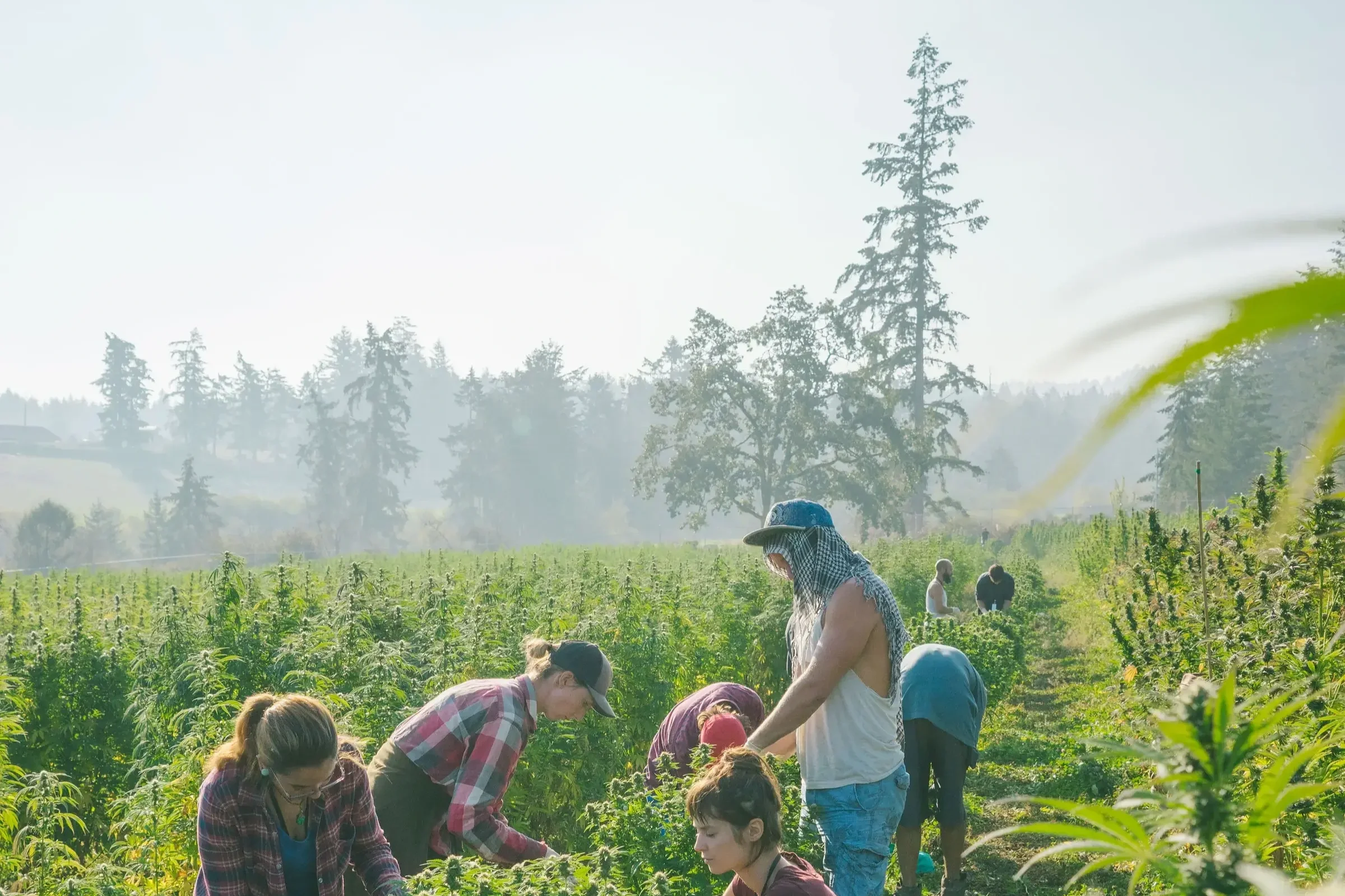
The sun-grown crop is harvested once, typically late September into early October. Flower is hang-dried and slow-cured rather than machine-dried. It takes longer, and it is why the flower holds its flavour and burns the way it does.
Read more: One Harvest a Year
Frequently Asked Questions
-
Rainwater irrigation, a sun-grown crop that runs on sunlight instead of grow lights and climate control, living soil that is rebuilt and reused every season, and a hang-dry, slow-cure process chosen for quality over speed.
-
Rainwater, collected off the farm's roofs on Salt Spring Island, BC and used to irrigate the sun-grown crop.
-
Once a year, typically late September into early October. A sun-grown crop follows a single natural season rather than the multiple harvests an indoor grow can run.
-
Hang-drying and a slower cure change how moisture leaves the plant, which affects flavour, burn quality and how the flower holds up over time. It trades time for quality.
-
It runs on sunlight and rainwater instead of grow lights, air conditioning and dehumidification, and it follows the land's own growing season rather than running year-round.
-
Compost, cover crops and organic soil amendments, cycled through living soil beds that stay in continuous use rather than a synthetic nutrient programme reset each grow.
-
GOOD BUDS flower, pre-rolls and vapes are sold through licensed cannabis retailers in BC, Alberta and Ontario. Use the store locator to find a shop near you.
Related reading on how we grow
Find GOOD BUDS near you
GOOD BUDS certified organic flower, pre-rolls and vapes are stocked by licensed retailers across BC, Alberta and Ontario.