learn
by strain & topic
Mango Cake
Mango Haze and GOOD BUDS Mango Cake both deliver genuine mango flavour through completely different genetics. One got its mango by chance in a Dutch three-way cross; the other was deliberately bred for it on Salt Spring Island, with 2.4–3.2% CBG as a chemistry differentiator.
The real difference between a 510 cart and an AIO vape isn't the hardware — it's what's inside, and how the heating element handles it. GOOD BUDS produces both formats on Salt Spring Island, matching extract type to device on purpose: live resin to 510 carts, cured resin to AIOs, live rosin to purpose-built hardware.
CBGa is the cannabinoid cannabis starts with — the precursor that eventually becomes THC, CBD, and more. This guide explains why some strains like Mango Cake retain unusually high CBGa, and why that number is worth paying attention to.
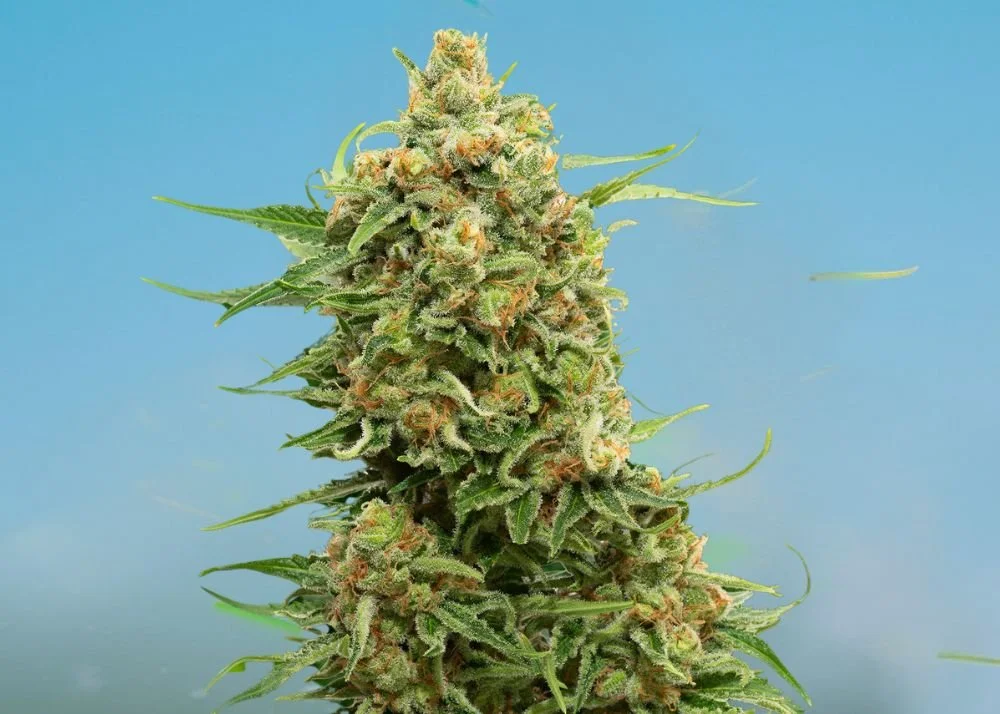
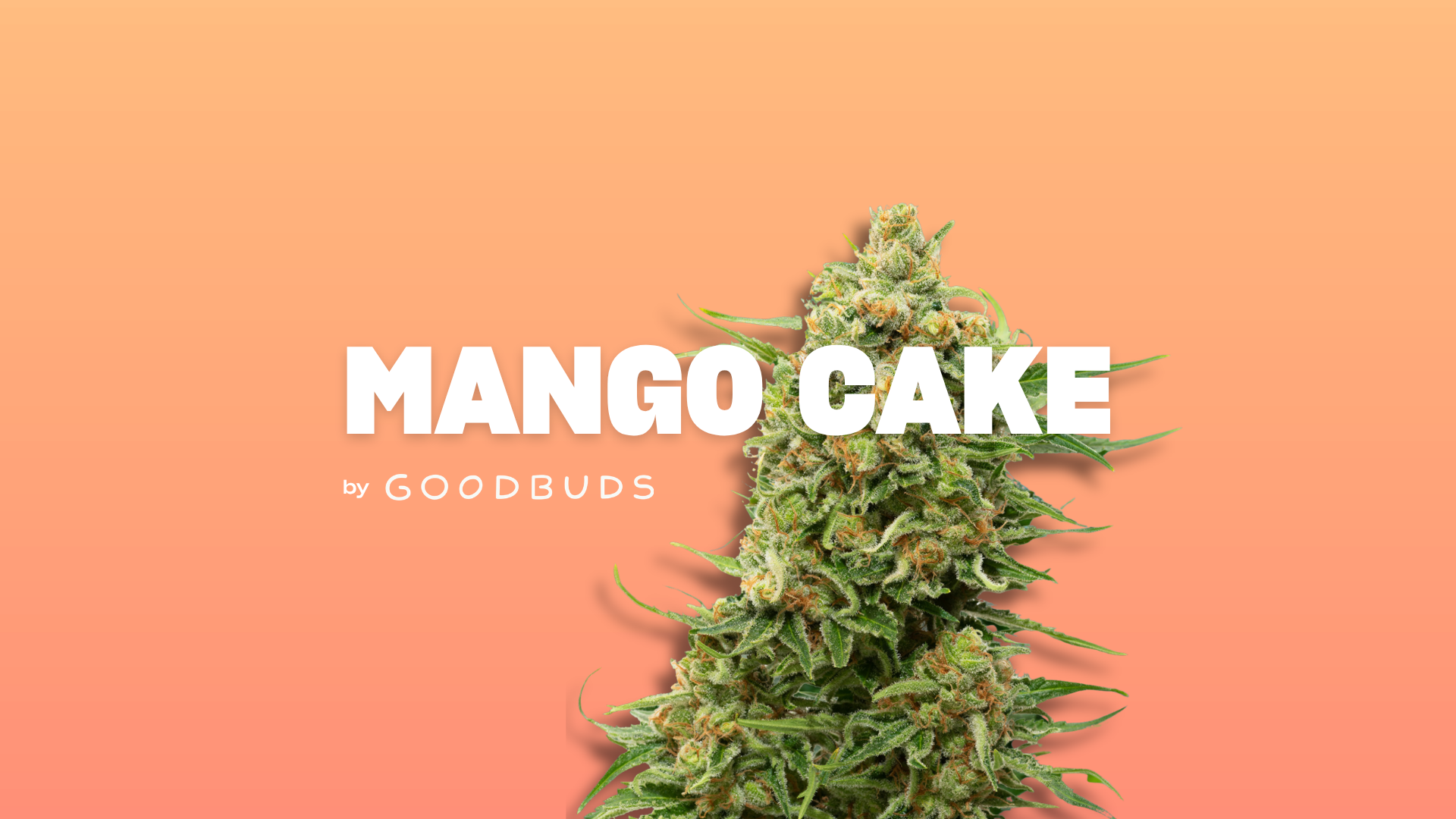
Mango Cake is a terpene-forward indoor strain bred from Mango Taffie × Wedding Cake, combining tropical fruit with a creamy vanilla finish. With 27–32% THC and 2–4% CBG, it’s a rare high-CBG cultivar grown in certified organic living soil on Salt Spring Island.
Gluerangutan
GG4 (Gorilla Glue) is one of the most-loved strains in cannabis, and it's literally one of Gluerangutan's parents. GOOD BUDS pheno-hunted Gluerangutan from 150,000 plants of GG4-lineage seed in 2019, then adapted it to outdoor growing in living soil on Salt Spring Island.
Ghost Train Haze and GOOD BUDS Gluerangutan share OG Kush and Afghani genetics, but express them in completely different terpene directions. One runs terpinolene-forward; the other is caryophyllene-led, sun-grown in certified organic living soil on Salt Spring Island, BC.
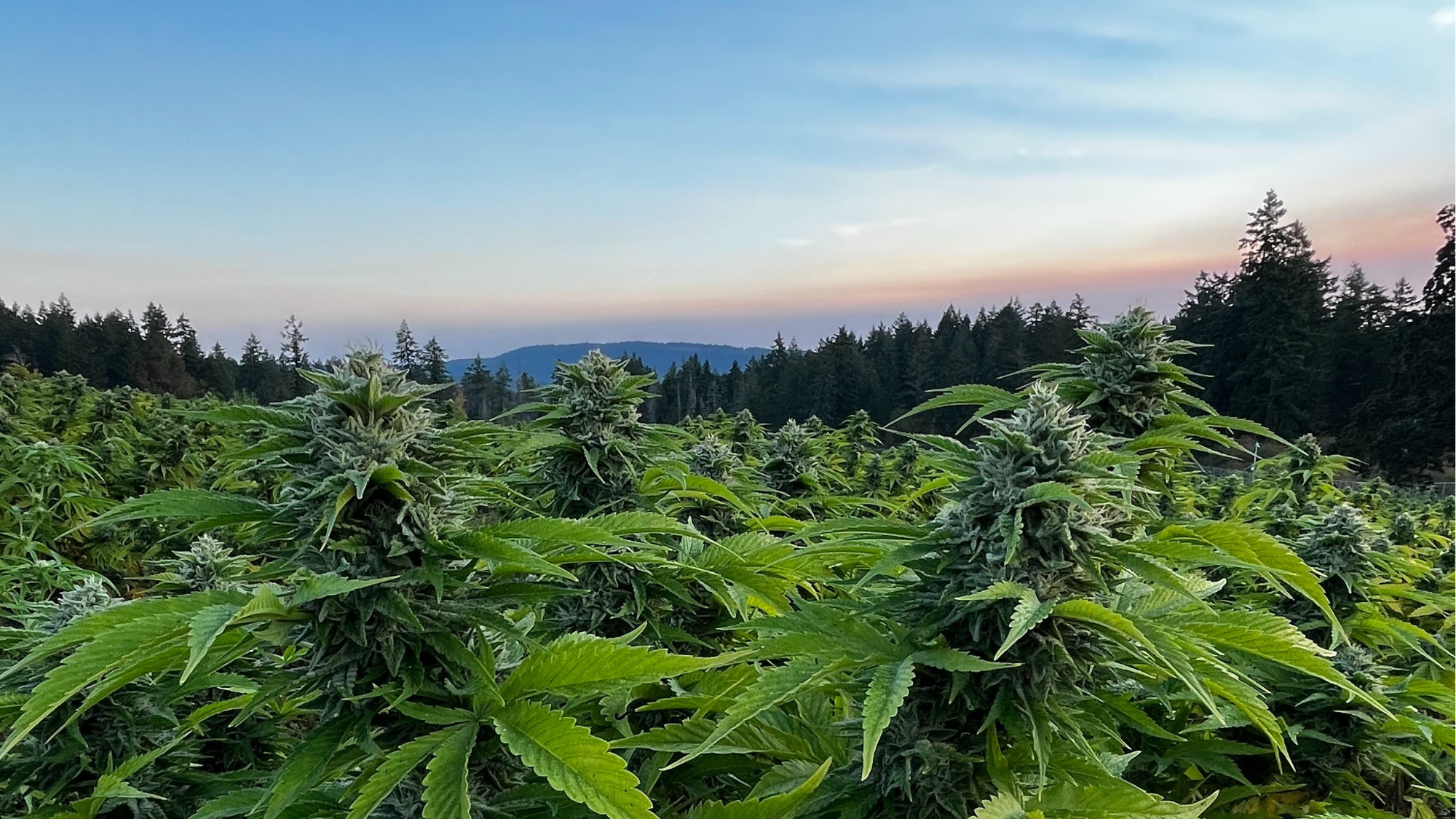
Outdoor cannabis isn’t inherently lower quality—it’s often misunderstood. When the right genetics are matched to the right environment, sun-grown cannabis can outperform indoor across terpene content, potency, and overall expression.
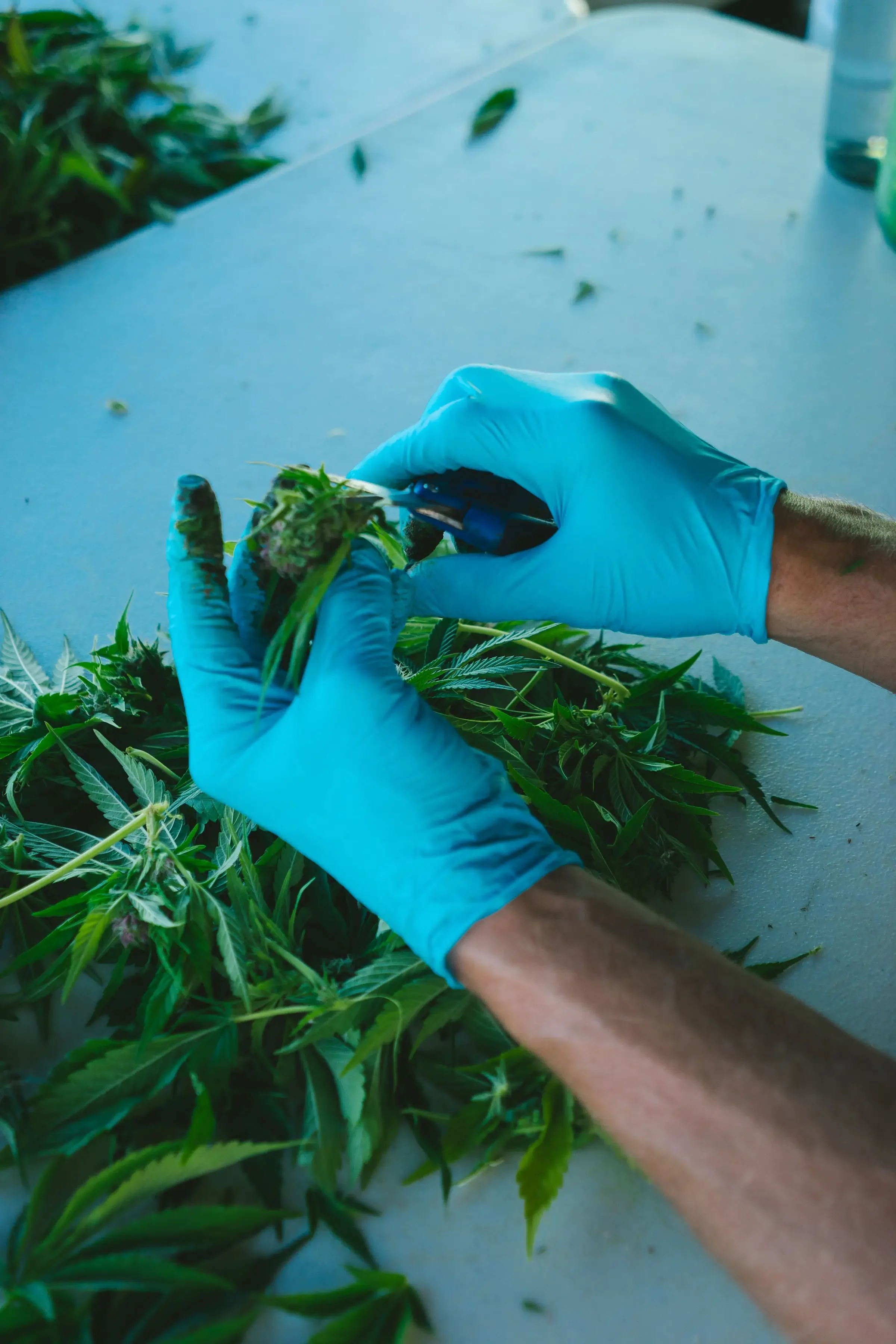
GOOD BUDS hand-bucks every plant after a slow whole-plant hang dry, pheno-hunted 160,000 seeds from the Netherlands to develop strains like Gluerangutan, and farms in living soil beds running continuously since 2019. None of these is efficient — they're the long-term decisions behind an FVOPA Certified Organic family farm on Salt Spring Island.
If Pink Kush is your go-to, GOOD BUDS Gluerangutan shares the OG Kush family tree but branches off in a gassier, piney, more resinous direction. Grown outdoors in living soil on Salt Spring Island, it's a different expression of a strain family you already know.
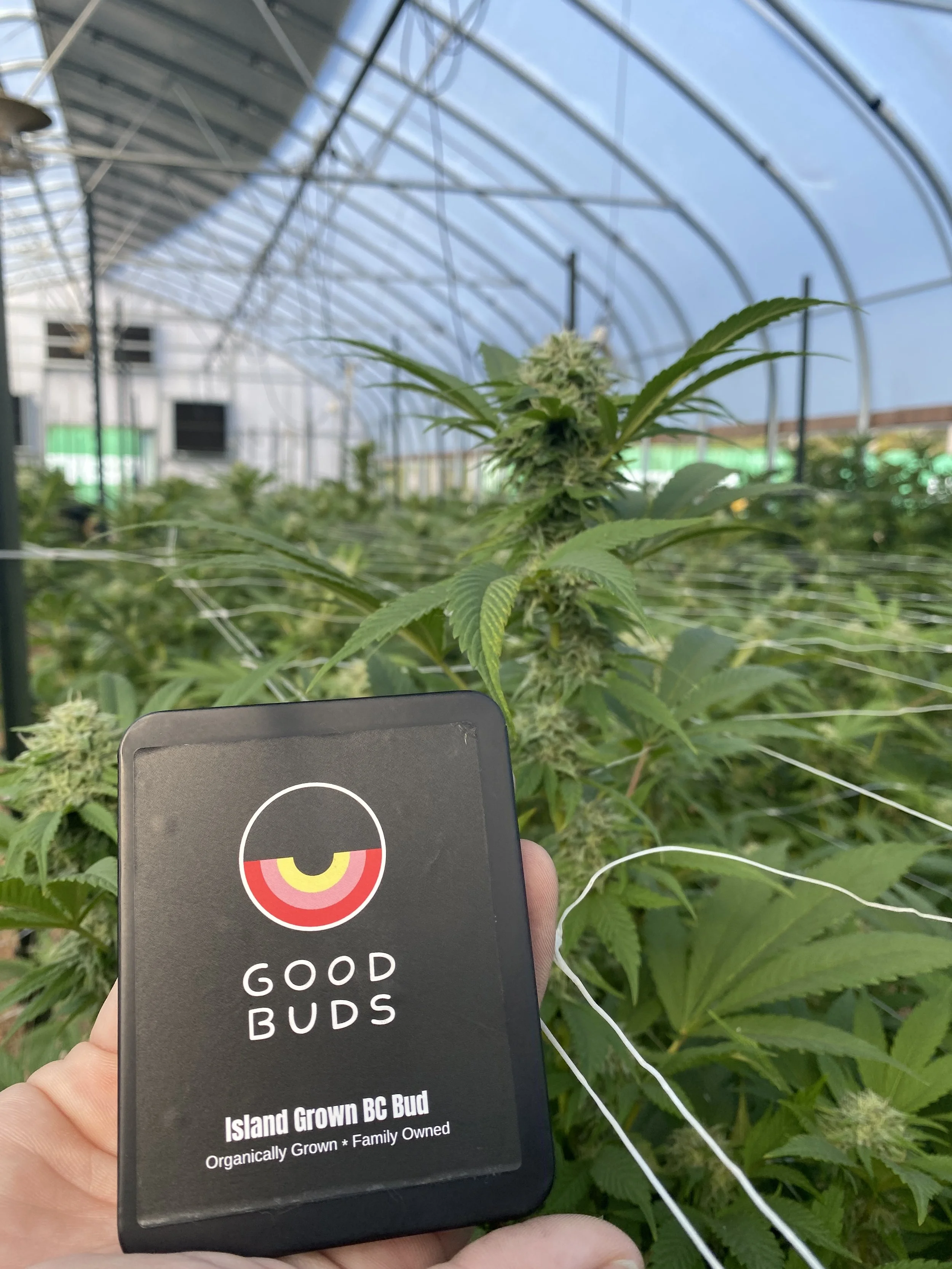
The cannabis sustainability conversation focuses on packaging, but the real footprint is in production — single-use pots, rockwool, synthetic mineral salts, and round-the-clock indoor power. GOOD BUDS grows mostly outdoors in living soil that's been running since 2019, fed with FVOPA-certified organic amendments and 100% recaptured rainwater on Salt Spring Island, BC.
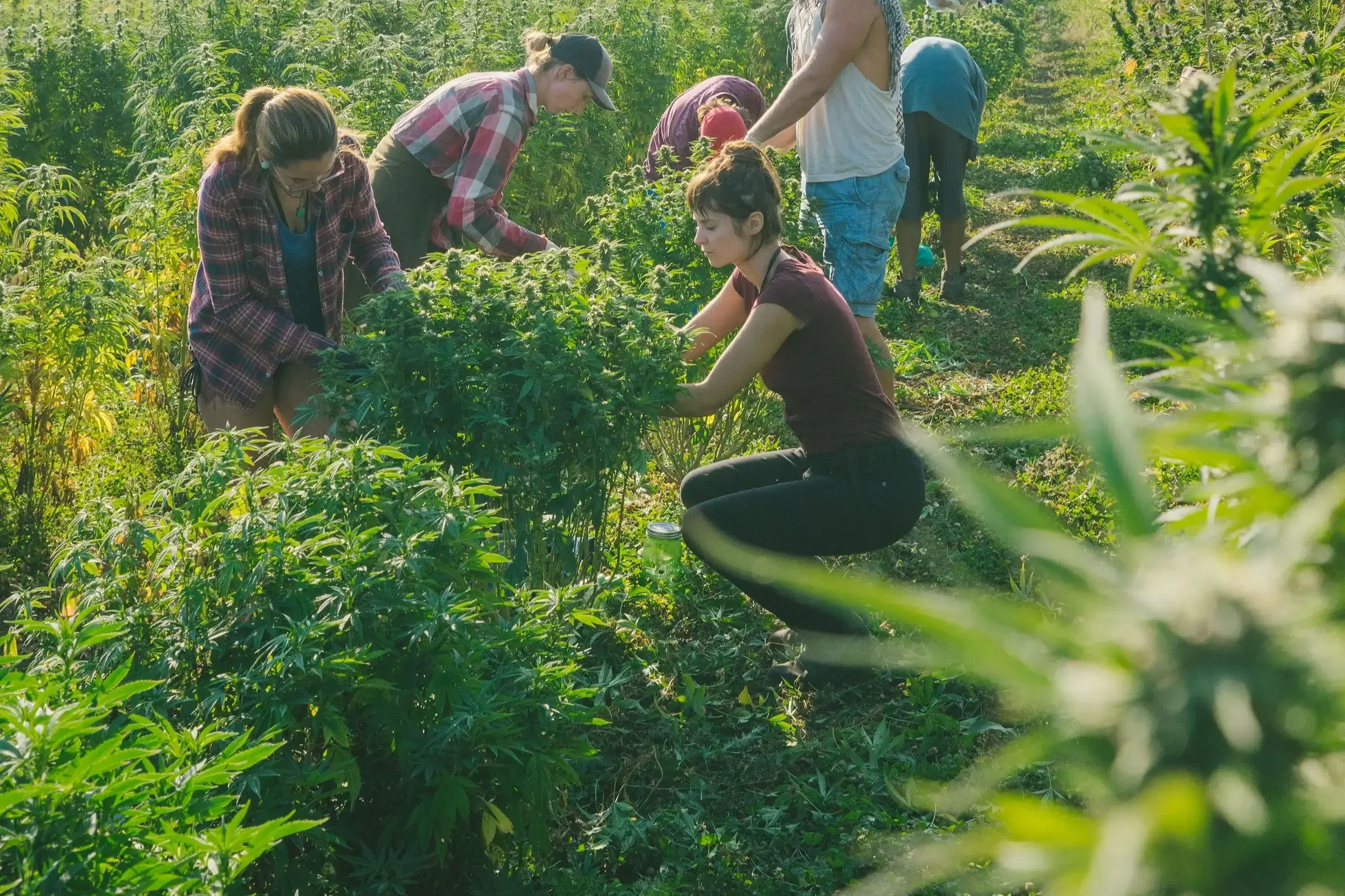
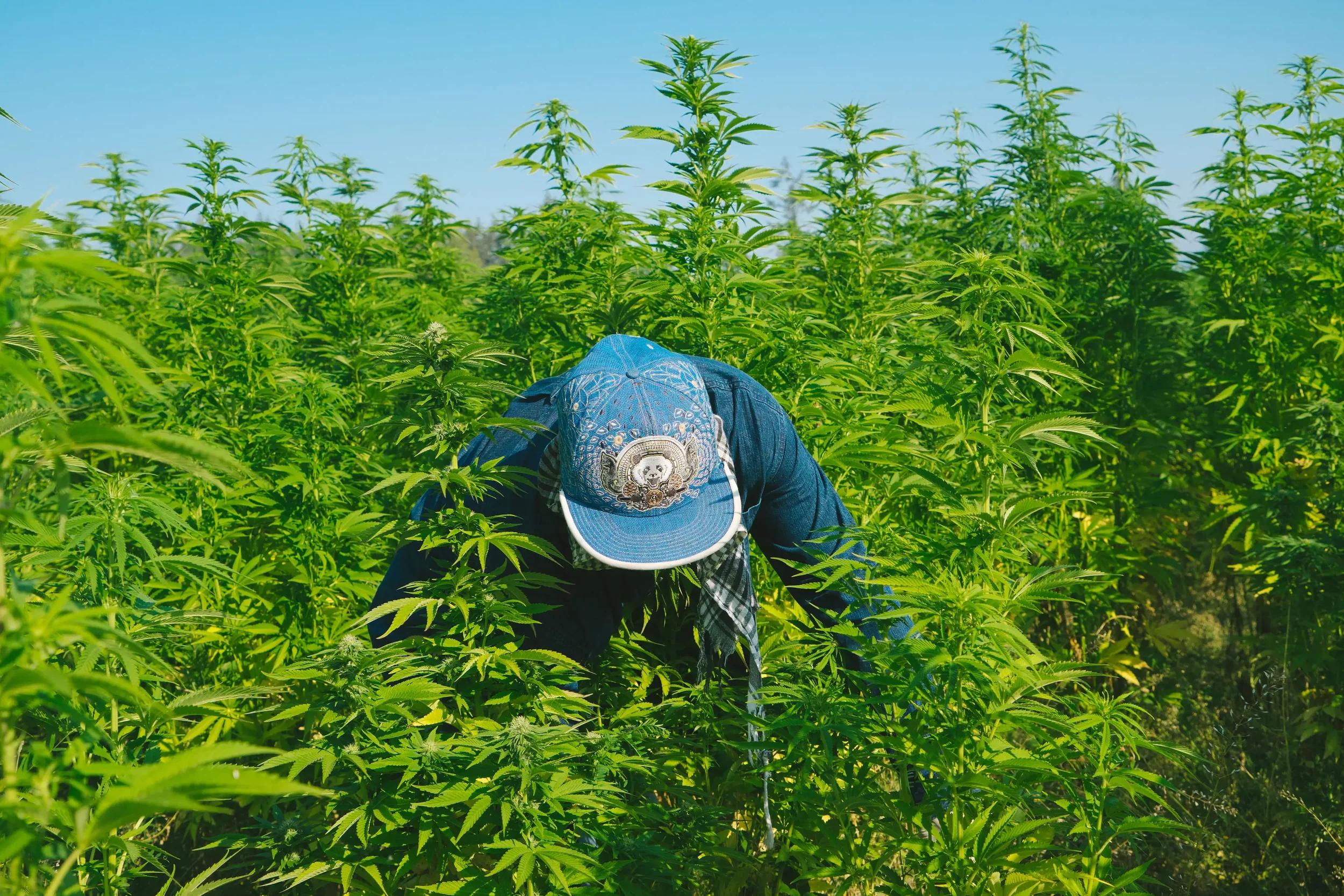
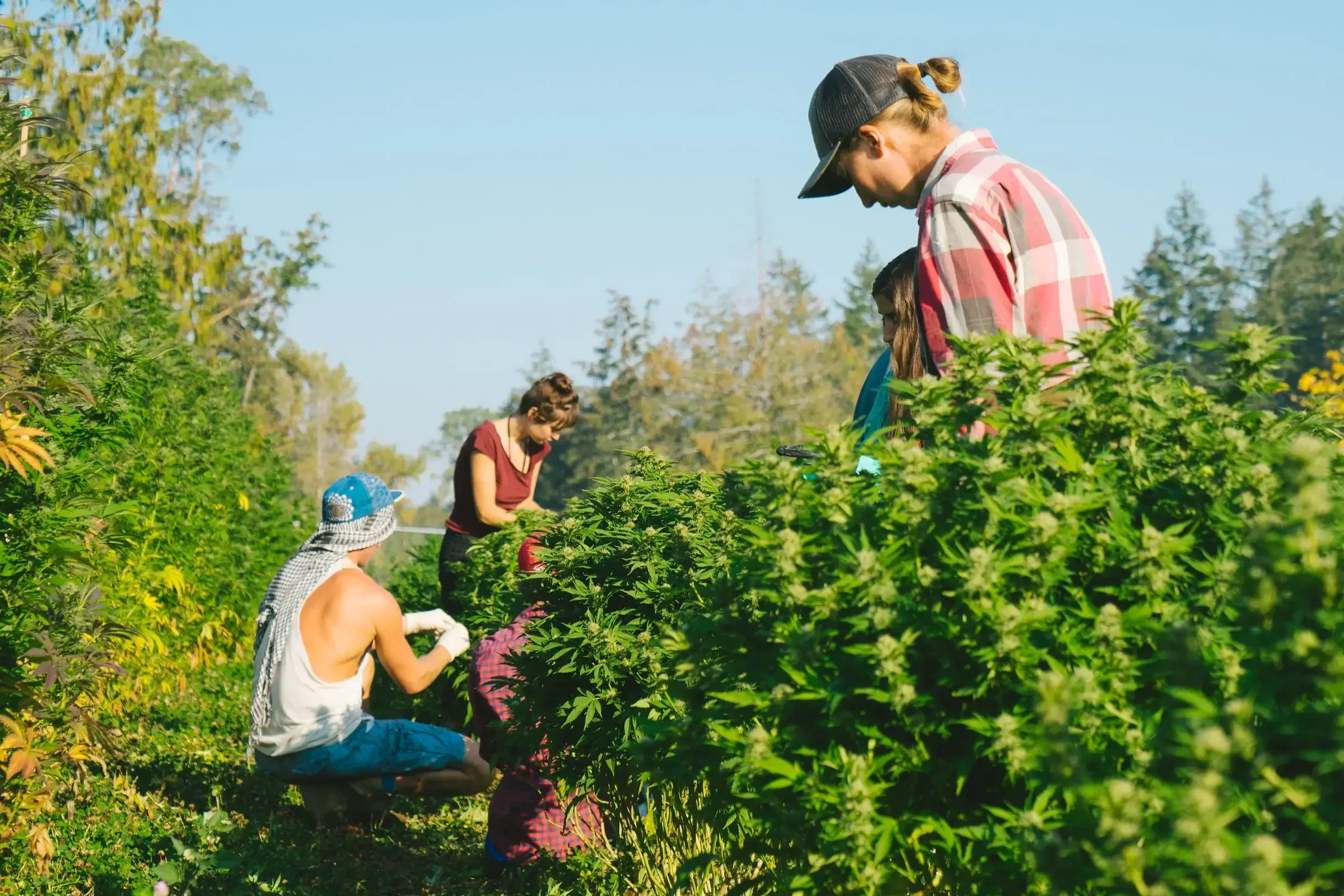
Sun-grown cannabis on Salt Spring Island runs on one harvest a year — Gluerangutan and Timewarp come off the field once each fall, in living soil beds that have been working since 2019. Tyler Rumi on what one harvest actually requires, the year we lost a third of the crop, and why we still grow the way we do.
The real difference between a 510 cart and an AIO vape isn't the hardware — it's what's inside, and how the heating element handles it. GOOD BUDS produces both formats on Salt Spring Island, matching extract type to device on purpose: live resin to 510 carts, cured resin to AIOs, live rosin to purpose-built hardware.
Gluerangutan is a sun-grown hybrid selected from 150,000 seedlings, delivering exceptional resin, dense structure, and a terpene load of up to 6%. Grown in certified organic living soil on Salt Spring Island, it’s a rare outdoor strain that outperforms its indoor counterpart in potency, aroma, and overall expression.
Timewarp
Blue Dream and GOOD BUDS Timewarp share myrcene-dominant chemistry, fruit-forward character, and outdoor heritage cultivation stories — California's version and BC's. One leans blueberry; the other leans dark cherry and orange citrus, at 2.9–3.4% total terpenes in certified organic living soil on Salt Spring Island.
Sun-grown cannabis on Salt Spring Island runs on one harvest a year — Gluerangutan and Timewarp come off the field once each fall, in living soil beds that have been working since 2019. Tyler Rumi on what one harvest actually requires, the year we lost a third of the crop, and why we still grow the way we do.
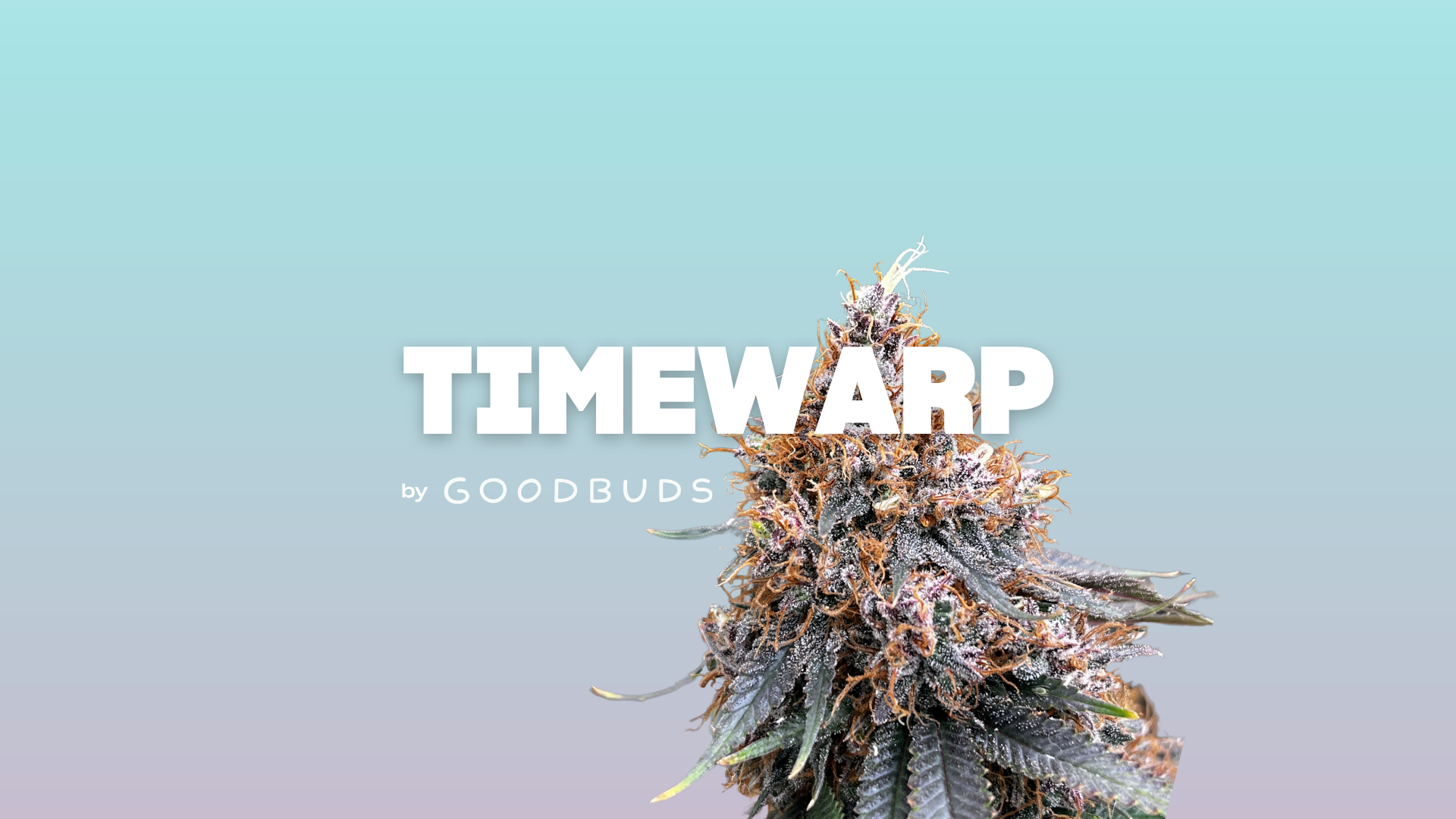
GOOD BUDS Timewarp reimagines a legendary BC heirloom strain with modern potency, delivering over 28% THC and a bold dark cherry–orange terpene profile. Grown outdoors in certified organic living soil on Salt Spring Island, it’s a rare example of true sun-grown cannabis shaped by Gulf Island terroir.
cookie-god
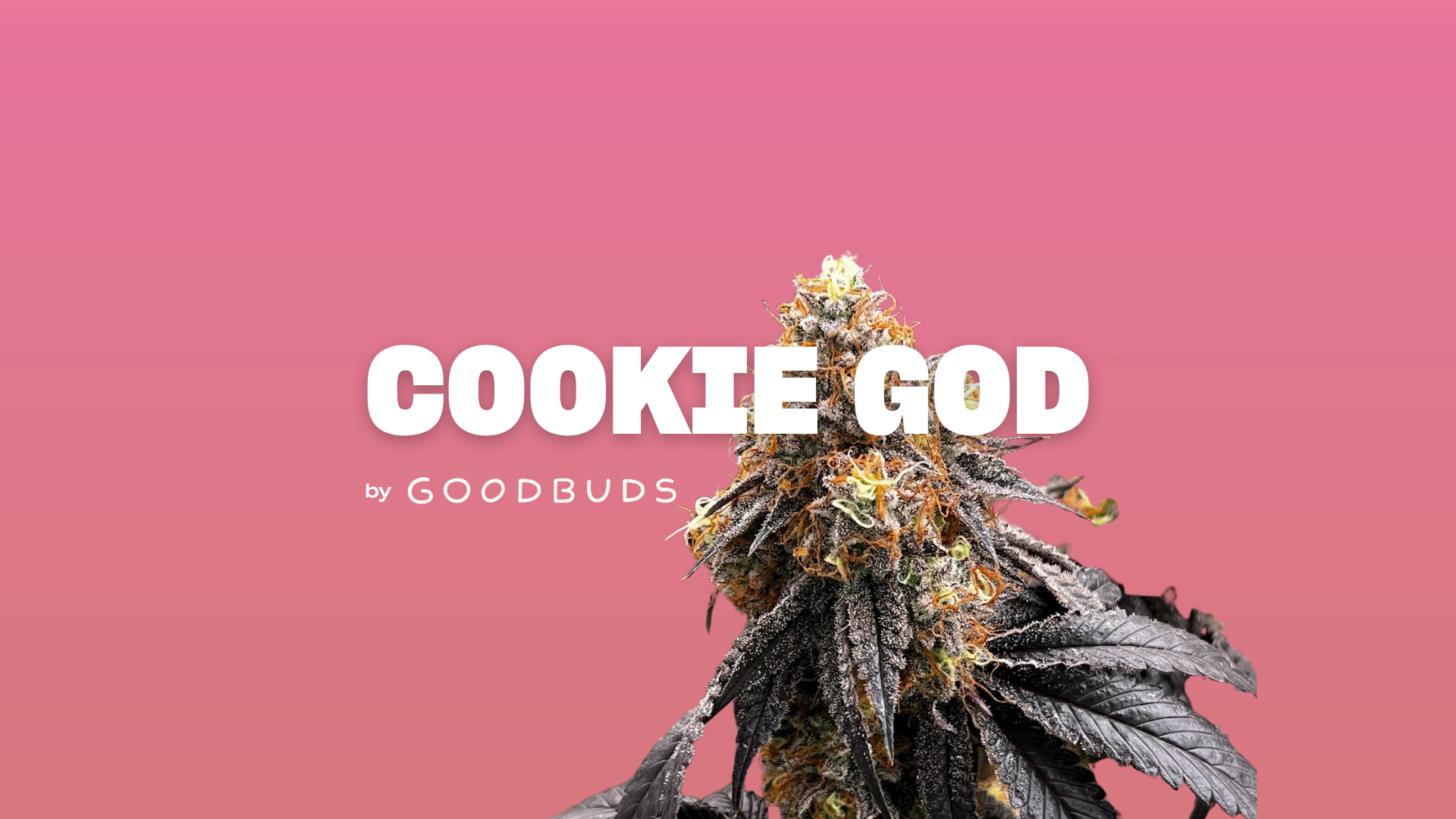
Cookie God is an indica-leaning indoor strain that blends BC legacy genetics with California cookie-gas power, delivering high THC and a distinct peanut butter–citrus profile. Grown in certified organic living soil on Salt Spring Island, it’s a modern expression of careful breeding, phenotype selection, and terroir-driven cultivation.
living soils
Blue Dream and GOOD BUDS Timewarp share myrcene-dominant chemistry, fruit-forward character, and outdoor heritage cultivation stories — California's version and BC's. One leans blueberry; the other leans dark cherry and orange citrus, at 2.9–3.4% total terpenes in certified organic living soil on Salt Spring Island.
Organic and regenerative aren't the same thing: organic describes what goes into the plant, regenerative describes whether the soil is reused or discarded. This guide explains the difference, the honest trade-offs of each, and how to tell them apart on the shelf — with GOOD BUDS' continuously reused living soil on Salt Spring Island as a reference point.
GG4 (Gorilla Glue) is one of the most-loved strains in cannabis, and it's literally one of Gluerangutan's parents. GOOD BUDS pheno-hunted Gluerangutan from 150,000 plants of GG4-lineage seed in 2019, then adapted it to outdoor growing in living soil on Salt Spring Island.
FVOPA Certified Organic is the only meaningful organic certification available to Canadian cannabis producers, and it applies at the farm level — not always at the finished-product level. Alex Rumi explains what that distinction means and how GOOD BUDS, the first FVOPA-certified outdoor cannabis farm in Canada, handles it SKU by SKU.
Outdoor cannabis costs less to grow than indoor cannabis because sunlight, rain, and living soil replace the inputs that indoor facilities pay for every day. Alex Rumi on the structural economics behind GOOD BUDS, Canada's first licensed outdoor cultivation facility, on Salt Spring Island, BC.
Indoor cannabis cultivation runs on artificial lighting, air conditioning, and dehumidification around the clock, making it one of the most energy-intensive ways to grow the plant. GOOD BUDS grows most of its cannabis — including outdoor-only flagship Gluerangutan — in natural sunlight on Salt Spring Island, BC, removing that energy load entirely.
Conventional cannabis runs on synthetic mineral salts — fossil-fuel-derived nitrogen and mined potassium that carry a high environmental cost before and after the grow. GOOD BUDS is FVOPA-certified and feeds its outdoor crop a single organic amendment, alfalfa meal, with no synthetic inputs on the farm on Salt Spring Island, BC.
GOOD BUDS irrigates entirely with rainwater captured in on-farm retention ponds — unfiltered, so the living microbes and mycorrhizae in the pond water reach the roots as a natural inoculant. Combined with organic FVOPA-certified inputs and no synthetic salts, it means no nutrient runoff from the farm on Salt Spring Island, BC.
Mango Haze and GOOD BUDS Mango Cake both deliver genuine mango flavour through completely different genetics. One got its mango by chance in a Dutch three-way cross; the other was deliberately bred for it on Salt Spring Island, with 2.4–3.2% CBG as a chemistry differentiator.
Outdoor cannabis isn’t inherently lower quality—it’s often misunderstood. When the right genetics are matched to the right environment, sun-grown cannabis can outperform indoor across terpene content, potency, and overall expression.
GOOD BUDS hand-bucks every plant after a slow whole-plant hang dry, pheno-hunted 160,000 seeds from the Netherlands to develop strains like Gluerangutan, and farms in living soil beds running continuously since 2019. None of these is efficient — they're the long-term decisions behind an FVOPA Certified Organic family farm on Salt Spring Island.
If Pink Kush is your go-to, GOOD BUDS Gluerangutan shares the OG Kush family tree but branches off in a gassier, piney, more resinous direction. Grown outdoors in living soil on Salt Spring Island, it's a different expression of a strain family you already know.
GOOD BUDS has grown in the same living soil beds since 2019 — indoors and out — amending and reusing rather than replacing medium each cycle, which eliminates the single-use pots and rockwool most cannabis production sends to landfill. It's a slower, harder method that compounds soil biology over years on the farm on Salt Spring Island, BC.
Direct answers to the most common questions about cannabis and the environment — indoor vs. outdoor, organic vs. conventional, packaging vs. production, and how to spot genuinely sustainable cannabis. Each answer stands alone, with GOOD BUDS' outdoor, living-soil farm on Salt Spring Island as a real-world reference point.
The cannabis sustainability conversation focuses on packaging, but the real footprint is in production — single-use pots, rockwool, synthetic mineral salts, and round-the-clock indoor power. GOOD BUDS grows mostly outdoors in living soil that's been running since 2019, fed with FVOPA-certified organic amendments and 100% recaptured rainwater on Salt Spring Island, BC.
Cannabis sustainability is usually discussed as a packaging problem, but the larger environmental footprint comes from production: Growing medium, energy, synthetic inputs, and runoff. This reference guide lays out both halves of the question, with GOOD BUDS' outdoor, living-soil, rainwater-fed farm on Salt Spring Island as the worked example.
Sun-grown cannabis on Salt Spring Island runs on one harvest a year — Gluerangutan and Timewarp come off the field once each fall, in living soil beds that have been working since 2019. Tyler Rumi on what one harvest actually requires, the year we lost a third of the crop, and why we still grow the way we do.
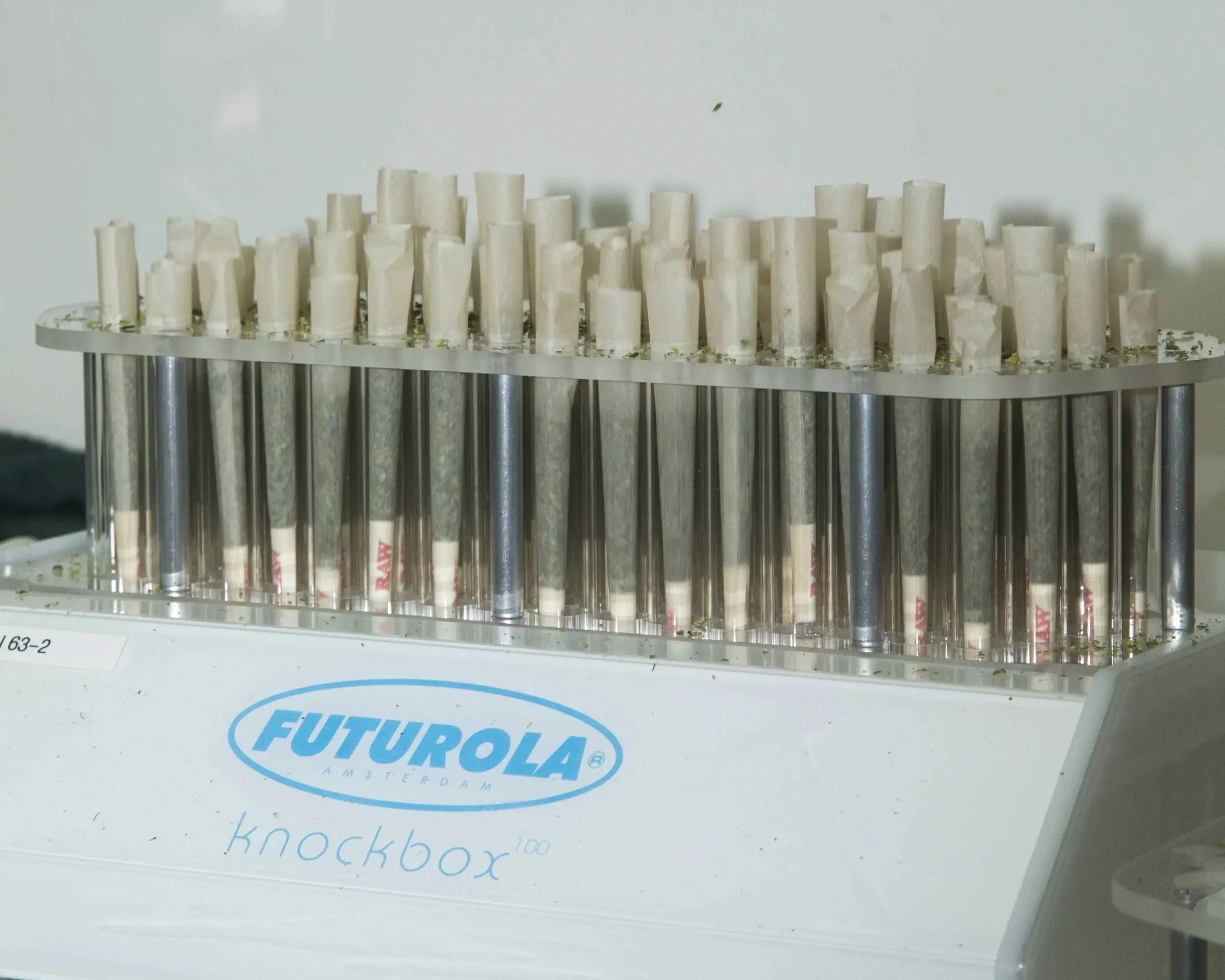
Not all pre-rolls are built the same — and the difference comes down to real decisions made long before you light up. Learn how rolling method, cultivation style, and curing affect how smoothly and cleanly a joint burns from start to finish.
regenerative agriculture
Organic and regenerative aren't the same thing: organic describes what goes into the plant, regenerative describes whether the soil is reused or discarded. This guide explains the difference, the honest trade-offs of each, and how to tell them apart on the shelf — with GOOD BUDS' continuously reused living soil on Salt Spring Island as a reference point.
Living soil cannabis is grown in a biologically active ecosystem where microbes, fungi, and organic matter naturally feed the plant—no synthetic inputs required. Over time, this system produces richer terpene profiles, smoother smoke, and a more sustainable approach to cannabis cultivation.
outdoor cultivation
Blue Dream and GOOD BUDS Timewarp share myrcene-dominant chemistry, fruit-forward character, and outdoor heritage cultivation stories — California's version and BC's. One leans blueberry; the other leans dark cherry and orange citrus, at 2.9–3.4% total terpenes in certified organic living soil on Salt Spring Island.
GG4 (Gorilla Glue) is one of the most-loved strains in cannabis, and it's literally one of Gluerangutan's parents. GOOD BUDS pheno-hunted Gluerangutan from 150,000 plants of GG4-lineage seed in 2019, then adapted it to outdoor growing in living soil on Salt Spring Island.
Ghost Train Haze and GOOD BUDS Gluerangutan share OG Kush and Afghani genetics, but express them in completely different terpene directions. One runs terpinolene-forward; the other is caryophyllene-led, sun-grown in certified organic living soil on Salt Spring Island, BC.
Outdoor cannabis costs less to grow than indoor cannabis because sunlight, rain, and living soil replace the inputs that indoor facilities pay for every day. Alex Rumi on the structural economics behind GOOD BUDS, Canada's first licensed outdoor cultivation facility, on Salt Spring Island, BC.
Indoor cannabis cultivation runs on artificial lighting, air conditioning, and dehumidification around the clock, making it one of the most energy-intensive ways to grow the plant. GOOD BUDS grows most of its cannabis — including outdoor-only flagship Gluerangutan — in natural sunlight on Salt Spring Island, BC, removing that energy load entirely.
Conventional cannabis runs on synthetic mineral salts — fossil-fuel-derived nitrogen and mined potassium that carry a high environmental cost before and after the grow. GOOD BUDS is FVOPA-certified and feeds its outdoor crop a single organic amendment, alfalfa meal, with no synthetic inputs on the farm on Salt Spring Island, BC.
GOOD BUDS irrigates entirely with rainwater captured in on-farm retention ponds — unfiltered, so the living microbes and mycorrhizae in the pond water reach the roots as a natural inoculant. Combined with organic FVOPA-certified inputs and no synthetic salts, it means no nutrient runoff from the farm on Salt Spring Island, BC.
Outdoor cannabis isn’t inherently lower quality—it’s often misunderstood. When the right genetics are matched to the right environment, sun-grown cannabis can outperform indoor across terpene content, potency, and overall expression.
GOOD BUDS hand-bucks every plant after a slow whole-plant hang dry, pheno-hunted 160,000 seeds from the Netherlands to develop strains like Gluerangutan, and farms in living soil beds running continuously since 2019. None of these is efficient — they're the long-term decisions behind an FVOPA Certified Organic family farm on Salt Spring Island.
If Pink Kush is your go-to, GOOD BUDS Gluerangutan shares the OG Kush family tree but branches off in a gassier, piney, more resinous direction. Grown outdoors in living soil on Salt Spring Island, it's a different expression of a strain family you already know.
GOOD BUDS has grown in the same living soil beds since 2019 — indoors and out — amending and reusing rather than replacing medium each cycle, which eliminates the single-use pots and rockwool most cannabis production sends to landfill. It's a slower, harder method that compounds soil biology over years on the farm on Salt Spring Island, BC.
Direct answers to the most common questions about cannabis and the environment — indoor vs. outdoor, organic vs. conventional, packaging vs. production, and how to spot genuinely sustainable cannabis. Each answer stands alone, with GOOD BUDS' outdoor, living-soil farm on Salt Spring Island as a real-world reference point.
The cannabis sustainability conversation focuses on packaging, but the real footprint is in production — single-use pots, rockwool, synthetic mineral salts, and round-the-clock indoor power. GOOD BUDS grows mostly outdoors in living soil that's been running since 2019, fed with FVOPA-certified organic amendments and 100% recaptured rainwater on Salt Spring Island, BC.
Sun-grown cannabis on Salt Spring Island runs on one harvest a year — Gluerangutan and Timewarp come off the field once each fall, in living soil beds that have been working since 2019. Tyler Rumi on what one harvest actually requires, the year we lost a third of the crop, and why we still grow the way we do.
CBGa is the cannabinoid cannabis starts with — the precursor that eventually becomes THC, CBD, and more. This guide explains why some strains like Mango Cake retain unusually high CBGa, and why that number is worth paying attention to.
Living soil cannabis is grown in a biologically active ecosystem where microbes, fungi, and organic matter naturally feed the plant—no synthetic inputs required. Over time, this system produces richer terpene profiles, smoother smoke, and a more sustainable approach to cannabis cultivation.
GOOD BUDS Timewarp reimagines a legendary BC heirloom strain with modern potency, delivering over 28% THC and a bold dark cherry–orange terpene profile. Grown outdoors in certified organic living soil on Salt Spring Island, it’s a rare example of true sun-grown cannabis shaped by Gulf Island terroir.
Gluerangutan is a sun-grown hybrid selected from 150,000 seedlings, delivering exceptional resin, dense structure, and a terpene load of up to 6%. Grown in certified organic living soil on Salt Spring Island, it’s a rare outdoor strain that outperforms its indoor counterpart in potency, aroma, and overall expression.