
Cured Resin vs Live Resin vs Live Rosin: Cannabis Vapes Explained
By Tyler Rumi, Co-Founder & Cultivation Lead, GOOD BUDS - Written on May 15, 2026, Updated September 18, 2026
Cured resin, live resin and live rosin are the three full-spectrum extracts used in GOOD BUDS cannabis vapes. Cured resin is extracted from dried, cured cannabis and tastes like dried flower. Live resin is extracted from cannabis frozen within hours of harvest and carries the brighter aroma of the fresh plant. Live rosin starts with the same fresh-frozen cannabis but is made without solvents, using only ice water, heat and pressure, start to finish on our farm. All three come from cannabis grown in living soil on our FVOPA Certified Organic family farm on Salt Spring Island, BC, and none of them is distillate.
Why We Don't Make Distillate
Before getting into what we do make, it's worth saying clearly why distillate isn't in our lineup.
A full-spectrum extract is chemically a different thing than isolated THC with flavour added back in. It keeps the terpenes and minor cannabinoids the plant produced, in the proportions the plant produced them.
All of our vapes are full-spectrum. The terpenes in them came from our plants and are measured on the COA. We grow living soil cannabis for its flavour and cannabinoid expression, and distillate would erase most of what makes our strains worth growing in the first place.
Cured Resin: The Vape That Tastes Like Our Flower
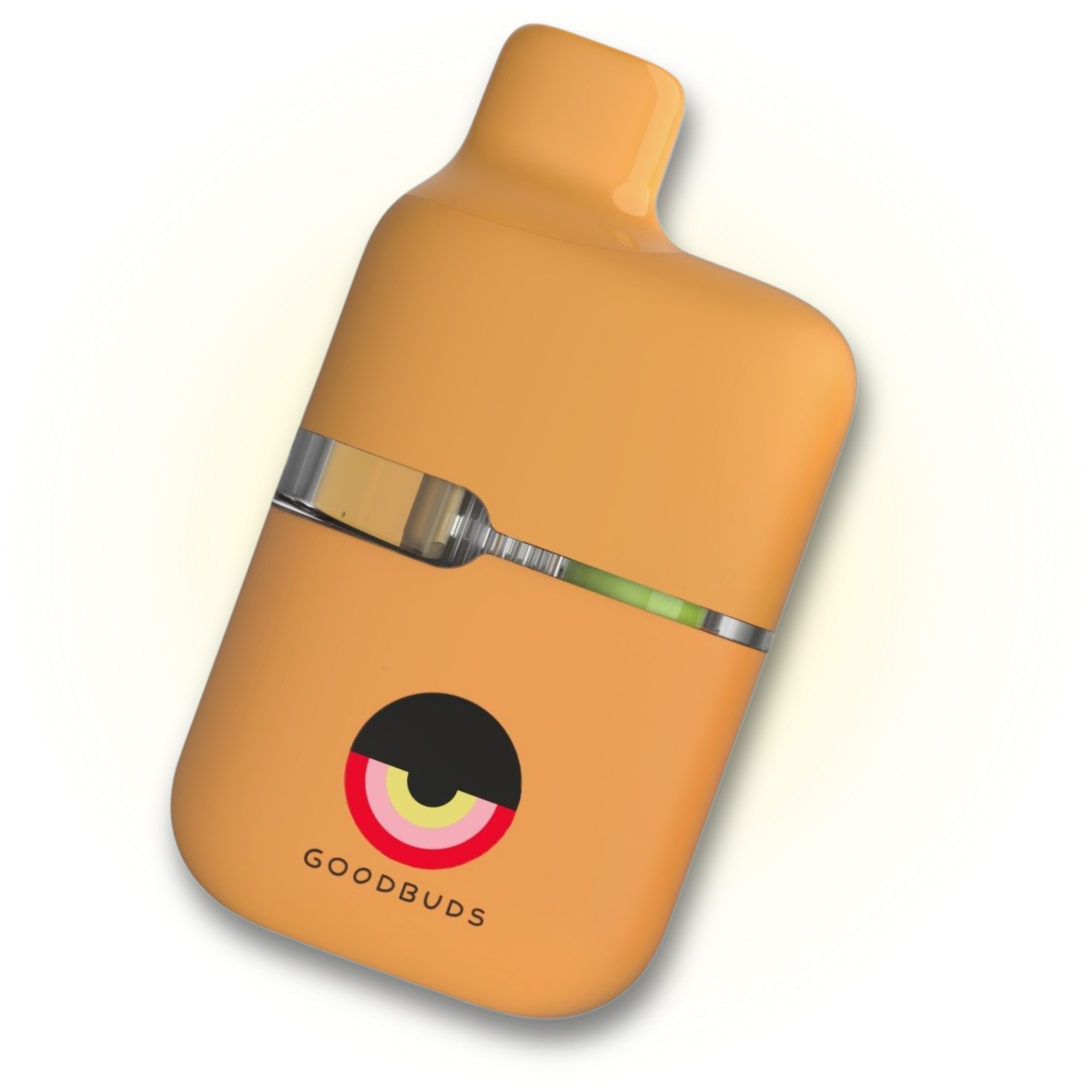
Cured resin is the closest thing we make to a vape version of our dried flower. It starts with hang-dried, cured cannabis from the same plants as our flower, which goes to an independent extraction partner on Vancouver Island for solvent-based extraction into a full-spectrum concentrate.
If you have smoked Gluerangutan flower or rolled one of our pre-rolls, the Gluerangutan Cured Resin AIO will be immediately familiar. The terpene profile of the dried plant comes through in the extract. It tastes like what you know because it came from the same plants.
Something the COA data surprised us with: our cured resin vapes tend to test higher in THC than our live resin. Gluerangutan Cured Resin AIO runs 74 to 78% THC. Mango Cake Cured Resin AIO runs 76 to 82.5%. We are not sure why, whether extraction preserves THC better from dried inputs or whether something happens during curing itself. We have not nailed it down. But the number is consistently higher than the live equivalent, which is the opposite of what most people expect when they assume "live" means more potent.
The cured resin also has a familiar character. Dried cannabis smells and tastes different from fresh cannabis: warmer, more settled, more like what most people associate with the plant. If you are used to our flower, that familiarity carries through to the vape. That is a feature, not a limitation.
We put cured resin into AIO (all-in-one) devices, self-contained vapes with the battery built in, ready to use straight out of the box. That was intentional. Cured resin made sense as the entry-point vape for someone who already buys our flower or pre-rolls and wants to try a different format. The flavour is familiar, and the hardware asks nothing of you: no battery to buy, no settings to configure, no compatibility to figure out.
Live Resin: Capturing the Fresh Plant
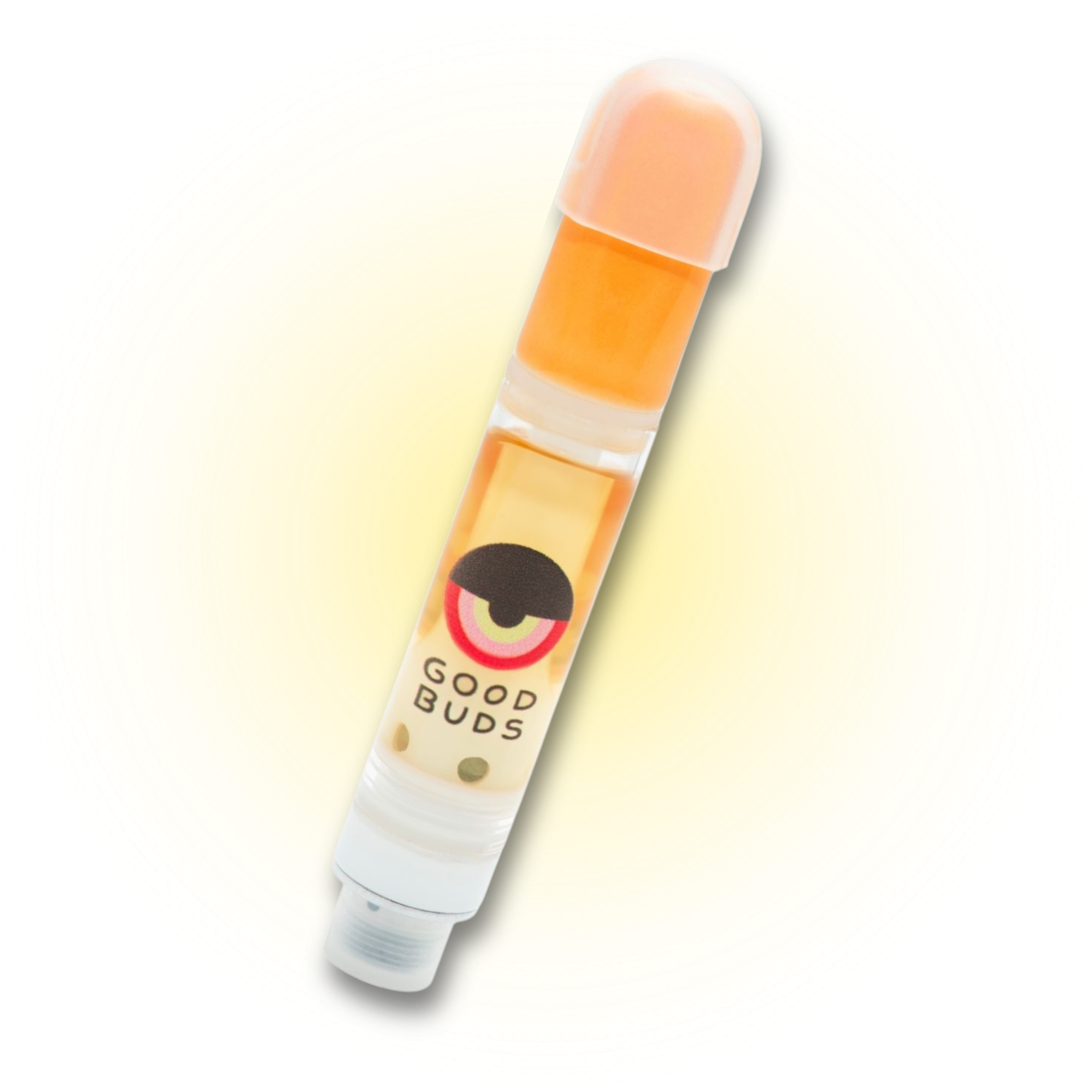
Live resin starts at harvest, not after drying. The moment the plant is cut, the terpene clock starts running. Those volatile compounds begin degrading almost immediately when exposed to air and heat. The whole point of live resin is to stop that clock.
On our farm, harvest for live resin looks the same as harvest for flower in the early stages. We hand-harvest the buds, strip them from the stems, and run them through a wet trimmer to remove the fan leaves.
Then, instead of hanging them to dry, they go straight into our walk-in freezer, a large commercial unit, the kind you would find in a restaurant kitchen. Hours from standing plant to frozen, not days.
Getting that right took some trial and error. Fresh-cut cannabis keeps generating heat after harvest. It is a biological process that does not stop the moment you cut the plant. Early on, we packed a batch into a big tote and put it in the freezer. We pulled it out later to find the outside frozen solid and the inside hot to the touch. Actually hot. The pile had cooked itself from the centre out, even sitting in a freezer. So now we spread the trimmed buds in thin layers across loosely packed totes, give them room to freeze evenly, and only consolidate once the whole batch is properly cold. More work, more space, but the material arrives at extraction in the condition it needs to be in.
That fresh-frozen input goes to our extraction partner for live resin production. The extraction preserves the volatile terpenes, the ones that would have been lost during drying. If you have walked into a harvest room right after cutting, that bright, almost electric smell in the air is what live resin tries to capture.
The result is a noticeably different flavour from cured resin. Not better, just different. Brighter, more vivid, closer to the living plant. Our Mango Cake Live Resin 510 Cart runs 72 to 76% THC and around 5% total terpenes: higher terpenes than the cured equivalent, and a THC number lower than you might expect, which is partly why live resin is often misunderstood as the "less potent" option.
We put live resin in 510 cartridges, the format that requires a separate battery. That was a deliberate call. People buying 510 carts already own a battery they like, buy carts regularly, and care about what is in the cart. Live resin is the extract most likely to reward that attention, and the 510 format reaches the people most likely to notice. The oil is also visually striking: clear and light-coloured in a glass cart. It looks like what it is.
Live Rosin: Made Start-to-Finish on the Farm
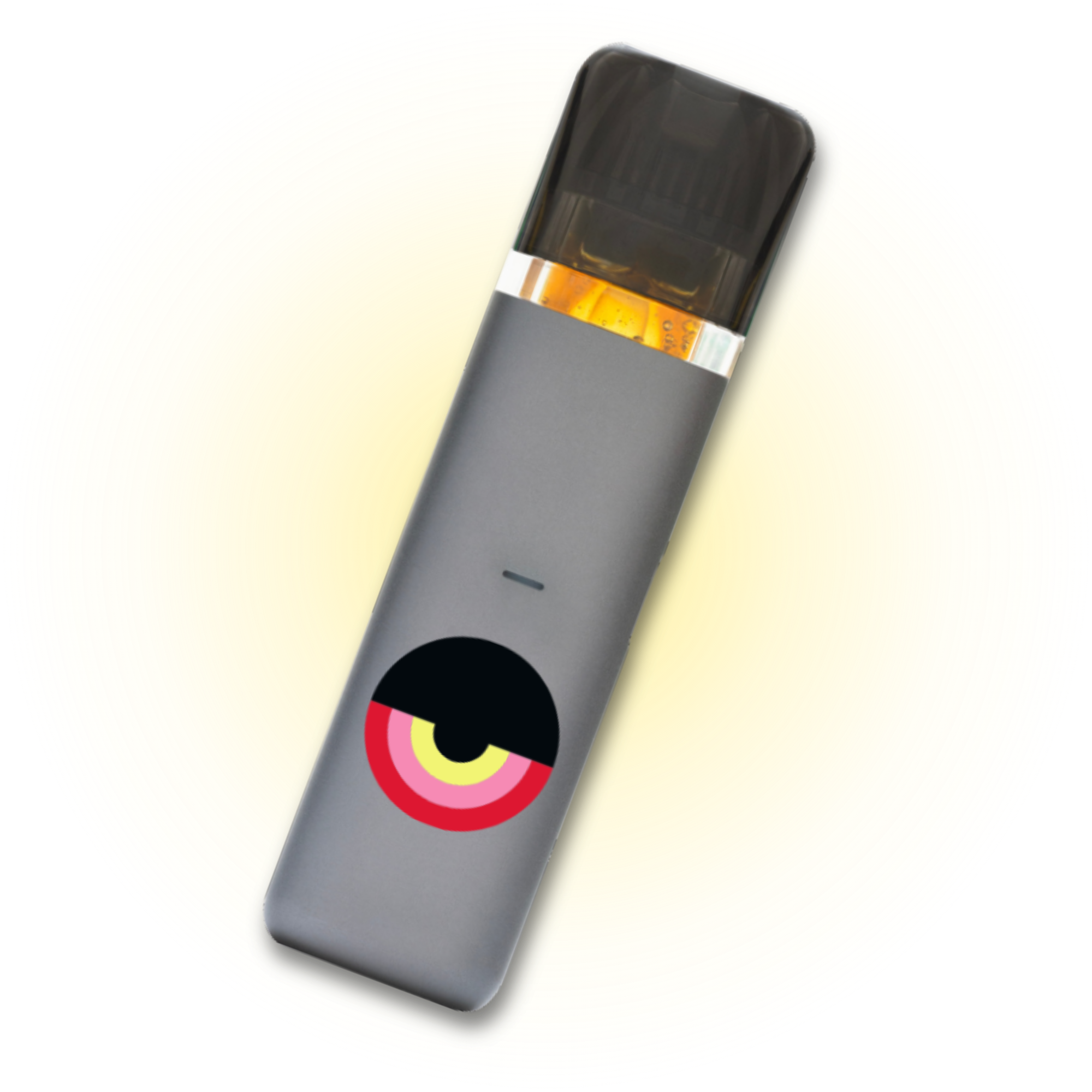
Live rosin shares a starting point with live resin: the same fresh-frozen cannabis, harvested and frozen the same day. What happens next is completely different, and it is the part we do ourselves.
Instead of going to an extraction partner, the frozen material stays on Salt Spring Island. It goes into our hash machine, which uses ice-cold water to separate the trichomes from the plant matter and collect them as bubble hash, also called ice water hash. We pack that hash into rosin bags and press it in our rosin press. What comes out is rosin: a concentrate made without any solvents.
No heptane, no butane, no CO2. Just ice water to collect the hash and pressure to press it.
Rosin straight off the press still isn't ready to vape. It's high in THCA — the raw, unactivated form of THC that exists in the living plant. To activate it, we decarboxylate it in a sous vide bath for 48 hours. Low, consistent heat converts the THCA to THC. After that, it's ready.
Because the entire process is solvent-free, our live rosin is the only extract we make that qualifies as certified organic from plant to oil. The hardware it goes into can't be certified organic — that's a regulatory limitation, not a process one — but the rosin inside is. For people who care about what organic actually means throughout a product, that distinction matters.
Rosin is also genuinely difficult to vape, and that reputation is earned. It's thick — more viscous than distillate or live resin — and standard hardware doesn't handle it well. Even hardware built specifically for rosin can clog or burn the oil as you work through the cartridge. We tried the 1g version of the CCL Rosin Bar, which was designed for this exact application, and still ran into problems toward the end. Switched to the 0.5g format and the problems went away. The smaller size also makes the price more approachable for someone trying live rosin for the first time, which felt right for a product most people haven't encountered before.
Our Gluerangutan Live Rosin AIO runs 78–88% THC. The range is wider than our other formats because rosin batches vary more than solvent extractions — it's a less predictable process. It also yields significantly less extract per pound of input than solvent-based methods, which is the main reason it's not our entire vape lineup.
How the Whole Thing Fits Together
Looking at our vape lineup, there's a logic to how the oils and hardware line up that we didn't arrive at immediately — it took a few seasons to figure out what made sense for each customer.
Cured resin in an AIO is for people already in the GOOD BUDS world — flower buyers and pre-roll buyers — who want to try a vape without changing the entire experience. The flavour is familiar, the format is as easy as it gets.
Live resin in a 510 cart is for regular vape users who want the most flavour-expressive, fresh-plant version of a strain. It's a connoisseur product in a connoisseur format. The people who reach for it know what they're looking for.
Live rosin in the 0.5g rosin bar is for people who want to know exactly what went into the product and where it came from. It's the most labour-intensive thing we make, the most limited in supply, and the only one where the oil itself is certified organic. Even more so than the live resin, it provides the cleanest fresh plant flavour expression that our LSO-grown plants can provide.
None of them is distilled. All of them have the terpenes and cannabinoids our plants actually produce. That thread runs through everything we make.
How to Choose
Start with the Cured Resin AIO if you already buy our flower or pre-rolls. It tastes like what you know, and the format is as simple as it gets.
Go with the Live Resin 510 Cart if you are a regular vape user with a battery you like and you want the fresh-plant expression of the strain.
Try the Live Rosin AIO if you want something made entirely on the farm, without solvents, from our certified organic harvest. It is a 0.5 g format, and it costs more per gram than anything else we make. Solventless extraction yields less than solvent-based methods, and that is reflected in the price.
Where to Find GOOD BUDS Vapes
GOOD BUDS vapes are sold only through licensed cannabis retailers in BC, Alberta and Ontario, supplied by the BCLDB, AGLC and OCS. The Gluerangutan Cured Resin AIO is listed in all three provinces, and the Mango Cake Cured Resin AIO is rolling out to all three. The Gluerangutan and Mango Cake Live Resin 510 carts are carried in BC and Alberta. The Timewarp Live Resin 510 cart, Timewarp AIO and Gluerangutan Live Rosin AIO are BC only for now.
Use the store locator to find a retailer near you.
Tyler Rumi is the Co-Founder and Cultivation Lead at GOOD BUDS, Canada's first licensed outdoor cannabis cultivator. He has grown cannabis on Salt Spring Island since the farm was founded in 2017, and has been cultivating since 2005. Every GOOD BUDS extract starts with cannabis grown in living soil on the family's FVOPA Certified Organic farm.
FAQs
-
Live resin is made from fresh-frozen cannabis, harvested and frozen within hours, before any drying or curing. Cured resin is made from dried, cured cannabis, the same plants that become dried flower. Live resin captures the terpene profile of the living plant. Cured resin reflects the profile of the dried plant, which is more familiar to flower and pre-roll buyers.
-
Neither is better. They are different expressions of the same plant. Live resin carries the brighter, fresh-plant terpene profile that regular vape users often look for. Cured resin tastes like dried flower, tends to test slightly higher in THC in our lots, and is a natural fit for someone moving from flower or pre-rolls into vapes.
-
Both start with fresh-frozen cannabis. Live resin is made with solvent-based extraction. Live rosin is solventless: trichomes are separated with ice water to make hash, then the hash is pressed under heat and pressure. GOOD BUDS makes its live rosin start to finish on the farm on Salt Spring Island. It is more labour-intensive and yields less extract per pound of input than solvent-based methods, which is why supply is limited and it costs more per gram.
-
Most vapes are distillate: near-pure THC with terpenes added back for flavour. Those terpenes may be cannabis-derived, botanical or synthetic, and they are usually added in a simplified profile of two or three compounds. A COA for cannabis flower typically shows ten to fifteen terpenes at varying concentrations. Full-spectrum extracts like cured resin, live resin and live rosin keep the terpene profile the plant produced.
-
It depends on what is in the cart. THCA diamonds sold as a concentrate are crystallised THCA, typically derived from live resin and often combined with terpene-rich sauce. Liquid diamond vape cartridges are usually decarboxylated THCA isolate with terpenes added back, which puts them closer to distillate than to live resin. A useful rule of thumb: if a vape label does not say cured resin, live resin or live rosin, it is most likely distillate or a similar product.
-
A 510 cartridge is a vape tank that attaches to a separate rechargeable battery. The 510 refers to the thread standard shared by most batteries and carts. An AIO (all-in-one) vape has the battery built in and is ready to use straight from the package.
-
No. Every GOOD BUDS vape is a full-spectrum extract, either cured resin, live resin or live rosin, made from cannabis grown in living soil on our FVOPA Certified Organic farm on Salt Spring Island, BC.
-
Full-spectrum means the extract contains the range of cannabinoids and terpenes present in the original plant, rather than being refined into isolated THC. In a distillate vape, most of that complexity has been removed. In a full-spectrum extract it is preserved, so the oil reflects the plant it came from.
-
GOOD BUDS vapes are sold only through licensed cannabis retailers in BC, Alberta and Ontario, supplied by the BCLDB, AGLC and OCS. The Gluerangutan Cured Resin AIO is listed in all three provinces, and the Mango Cake Cured Resin AIO is rolling out to all three. The Gluerangutan and Mango Cake Live Resin 510 carts are carried in BC and Alberta. The Timewarp Live Resin 510 cart, Timewarp AIO and Gluerangutan Live Rosin AIO are BC only for now. Use the GOOD BUDS store locator to find a retailer near you.